

Have you ever felt tired even after resting? Have you ever had so many thoughts running through your mind that you cannot sleep? Do you worry about small things, feel overwhelmed easily, or suddenly feel a wave of fear without knowing why?
Many people experience these struggles, but they often suffer silently because they feel others may not understand. Depression, anxiety, ADHD, overthinking, lack of sleep, and panic attacks are not just “being negative” or “thinking too much.” They are real experiences that can affect everyday life.
When Your Mind Feels Heavy
Depression is not always crying or looking sad. Sometimes it looks like losing interest in things you once enjoyed, feeling empty, having no energy, avoiding people, or feeling like even simple tasks are difficult.
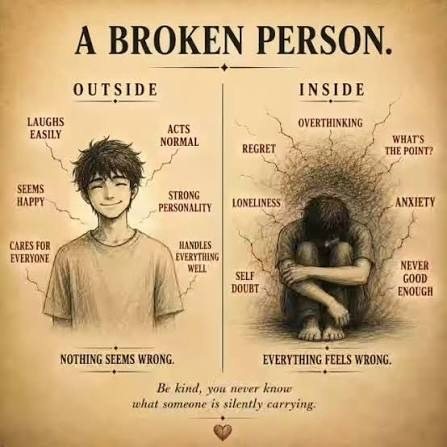
A person with depression may smile outside but still feel exhausted inside. This is why understanding and kindness matter.
The Constant Worry of Anxiety
Anxiety feels like your brain is always preparing for something bad to happen. You may keep thinking:
“Did I make a mistake?”
“What if something goes wrong?”
“What will people think about me?”
Even when everything is fine, the mind may continue searching for problems. It can be exhausting because the body feels like it is always under pressure.
ADHD and a Busy Mind
ADHD is often misunderstood. It is not simply about being unable to focus. Many people with ADHD experience a mind that moves quickly from one thought to another. They may struggle with concentration, managing time, staying organized, or controlling emotions.
Sometimes a busy mind can lead to frustration because a person may know what they want to do but find it difficult to start or complete tasks.
Overthinking: When Thoughts Take Control
Thinking is normal. But overthinking is when your thoughts keep going in circles without finding a solution.
You may replay old conversations, worry about the future, or analyze every small decision. The mind tries to protect you by finding answers, but sometimes it only creates more stress.
Learning to step away from constant thinking and focus on the present moment can help calm the mind.
The Sleep and Mental Health Connection
Sleep is not just about resting the body. It also helps the brain recover.
When you do not sleep well, everything can feel harder. You may become more emotional, lose patience quickly, struggle to focus, and feel more anxious.
At the same time, stress and overthinking can make sleeping difficult. Many people get stuck in a cycle: worry causes poor sleep, and poor sleep increases worry.
Understanding Panic Attacks
A panic attack can feel very scary. A person may experience a fast heartbeat, difficulty breathing, shaking, dizziness, chest tightness, or a sudden feeling that something terrible is happening.
Even though it feels dangerous, a panic attack is the body’s alarm system becoming too active. Understanding what is happening can make it easier to manage.
The Importance of Talking About Mental Health
One of the biggest problems with mental health struggles is that people often hide them. They may think, “I should be stronger,” or “Others have bigger problems.”
But mental health deserves the same attention as physical health. Talking to someone you trust, building healthy habits, improving sleep, practicing relaxation techniques, and getting professional support when needed can help.
Everyone has difficult days. Having anxiety, depression, ADHD, or experiencing panic does not define a person. What matters is understanding yourself and finding ways to move forward, one step at a time.
Sometimes the strongest thing a person can do is simply admit: “I am struggling, and I need support.”
Comments
Sign in to share your opinion on this article.
Be the first reader to contribute to this discussion.